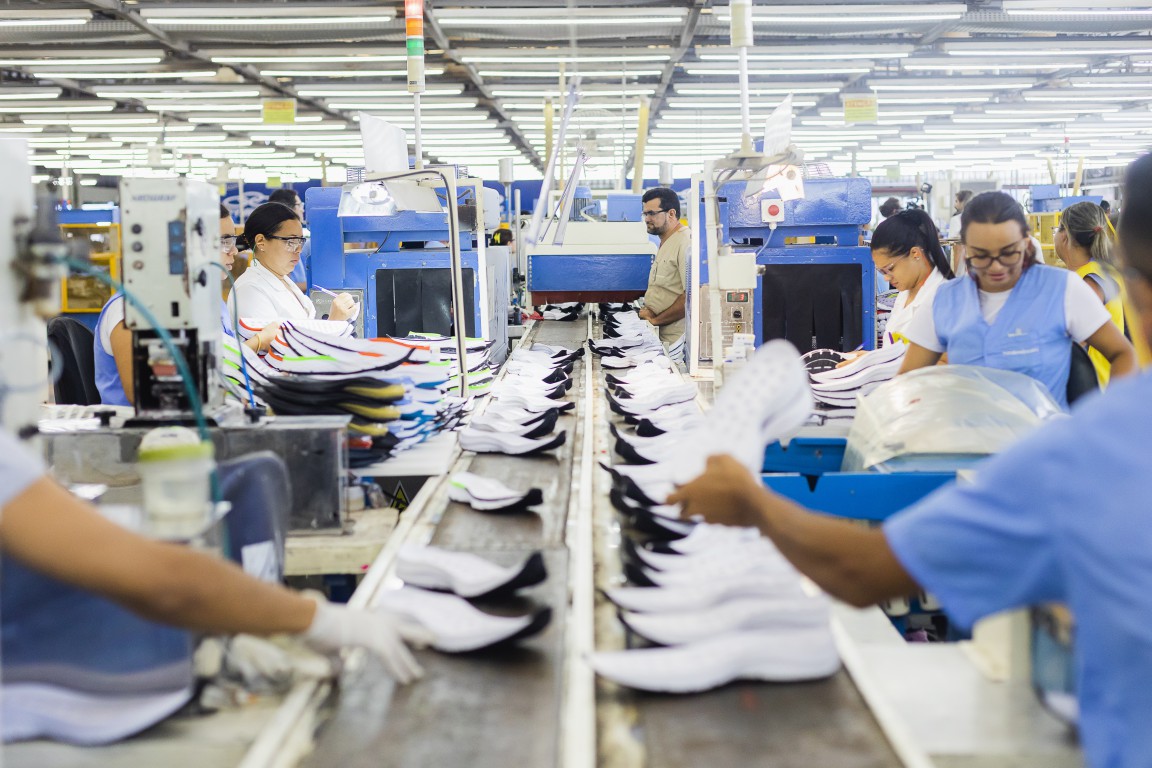

In the first half of the year, Brazil imported 25.9 million pairs of footwear, valued at US$307 million, representing increases of 15.9% in volume and 13% in value
.jpg)
Data compiled by the Brazilian Footwear Industries Association (Abicalçados), based on figures from the Brazilian Secretariat of Foreign Trade (Secex), show continued growth in footwear imports, particularly from Asia. In the first half of the year, Brazil imported 25.9 million pairs of footwear, valued at US$307 million, representing increases of 15.9% in volume and 13% in value compared to the same period last year. In June alone, footwear imports totaled 3 million pairs worth US$48.1 million, up 1% in volume and 7.6% in value compared to the same month in 2025.
The executive president of the Brazilian Footwear Industries Association (Abicalçados), Haroldo Ferreira, notes that the increase in imports has become a growing concern for the domestic industry. “The Brazilian footwear industry is simultaneously facing a pressured domestic market, declining export revenues, and increasing competition from imported footwear at the expense of Brazilian-made footwear, often under trade practices considered unfair by the World Trade Organization (WTO),” he says, adding that the Association has been warning the Federal Government about the risks posed by “predatory imports.” In this context, he adds that “in the first half of the year alone, according to estimates by Abicalçados, the sector failed to create 7,800 direct jobs as a result of the sharp increase in imports.”
Import pressure remains heavily concentrated in Asia, which accounted for 87.2% of all footwear pairs imported by Brazil in the first half of the year. China remained Brazil’s leading source of imported footwear, with 9.7 million pairs shipped to Brazil, valued at US$26.5 million, representing increases of 27.4% in volume and 13.3% in value compared to the same period last year. In June alone, imports from China totaled 408,430 pairs worth US$4.14 million, up 2.3% in volume and 22.9% in value compared to the same period in 2025.
The second-largest source of footwear imports into Brazil during the period was also in Asia. Between January and June, Vietnam shipped 6.83 million pairs to Brazil, valued at US$150.57 million, representing increases of 5.2% in volume and 17.9% in value compared to the same period last year. In June alone, imports from Vietnam totaled 1.23 million pairs worth US$26 million, up 4.1% in volume and 9.8% in value compared to the same month in 2025.
Rounding out the ranking of Brazil’s leading footwear suppliers in the first half of the year was another Asian country. During the period, Indonesia shipped 3.68 million pairs to Brazil, valued at US$69.24 million, representing increases of 14.2% in volume and 1.9% in value compared to the corresponding period last year. In June alone, imports from Indonesia totaled 413,240 pairs worth US$7.28 million, down 37.4% in volume and 18.8% in value compared to the same month in 2025.
Imports of footwear components—including uppers, soles, heels, insoles, and other footwear components—totaled US$26.48 million in the first half of the year, up 19.4% compared to the same period last year. The leading suppliers were China, Vietnam, and Paraguay.
Exports Decline 17.9%
While imports continue on an upward trend, footwear exports are moving in the opposite direction. This combination resulted in the sector’s trade surplus shrinking by 55.1% in the first half of the year, marking the lowest first-half result since the series began in 1997.
In the first half of the year, footwear exports totaled 49 million pairs worth US$408.2 million, down 7% in volume and 17.9% in value compared to the same period last year. In June alone, exports reached 8.1 million pairs valued at US$59.16 million, up 18.1% in volume but down 15.7% in value.
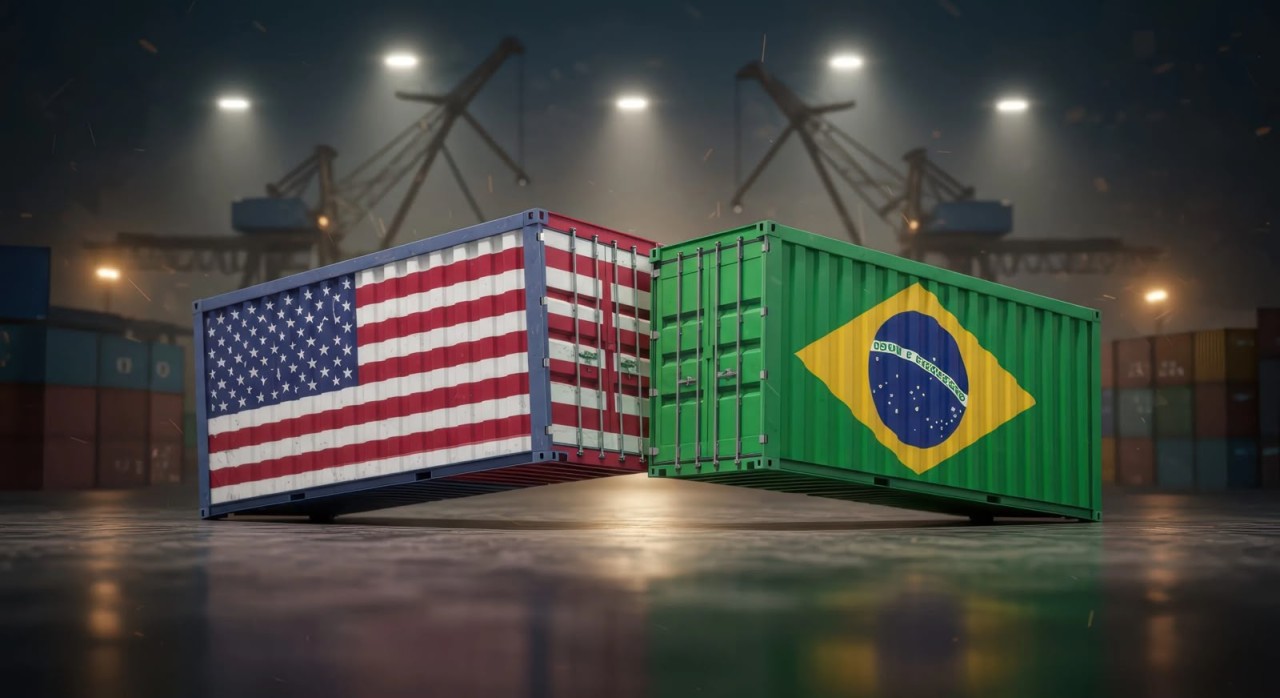
Between January and June, despite the uncertainty caused by import tariffs imposed on Brazilian footwear, the United States remained the leading destination for Brazilian exports. During the period, 5.6 million pairs were shipped to the U.S., worth US$85.25 million, down 3.6% in volume and 23.6% in value compared to the same period in 2025. In June alone, Brazilian footwear exports to the United States fell 20.7% in volume, totaling 805,560 pairs, and 17.9% in value, to US$17 million, compared to the corresponding month last year, still reflecting the comparison against a high base in the same month of the previous year.
Argentina ranked second among Brazil’s export destinations. In the first half of the year, the neighboring country imported 2.72 million pairs from Brazil, valued at US$43.5 million, down 57.5% in volume and 58.1% in value compared to the same period last year. In June alone, Brazilian footwear exports to Argentina totaled 303,500 pairs worth US$5.68 million, representing declines of 54.4% in volume and 43.5% in value compared to the same month in 2025.
Despite the negative overall scenario, some markets helped offset the decline. Paraguay was the third-largest destination for Brazilian footwear exports in the first half of the year, importing 4.18 million pairs worth US$22.88 million. Although export volume declined by 3.8%, export value increased by 13.1% compared to the same period last year. In June alone, Paraguay imported 582,550 pairs of Brazilian footwear, valued at US$2.67 million, representing increases of 36.9% in volume and 5.2% in value compared to the same month in 2025.
Leading Exporting States
Rio Grande do Sul remained Brazil’s leading footwear-exporting state in the first half of the year, shipping 17.65 million pairs worth US$201.83 million. Compared to the same period last year, exports increased by 10.6% in volume but declined by 13.2% in value.
Ceará ranked second, with 14 million pairs exported in the first half of the year, worth US$76.86 million. Compared to the same period last year, exports declined by 19.3% in volume and 26.3% in value, respectively.
Rounding out the ranking of Brazil’s leading footwear-exporting states was São Paulo, which shipped 2.9 million pairs worth US$41.83 million in the first half of the year, representing declines of 20.6% in volume and 21% in value compared to the same period in 2025.
-thumb.jpg)
-thumb.jpg)
-thumb.jpg)